We Tested 30+ Blue Light Glasses So You Don't Have To
Independent reviews backed by science.
Find the right pair for your needs in under 60 seconds.
Our Top Picks for 2026
Three glasses that outperform the rest across different needs.
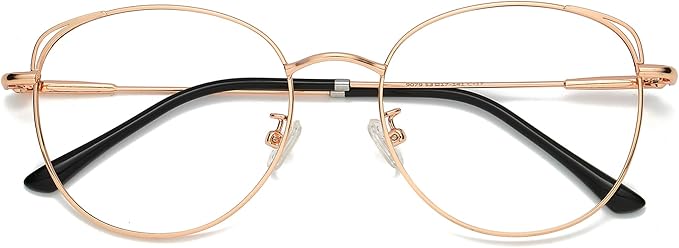
SOJOS SheYoung Cat Eye Blue Light Glasses
Best for: Everyday & Office Use
Flexible wire frames with nearly colorless lenses and nine color options.
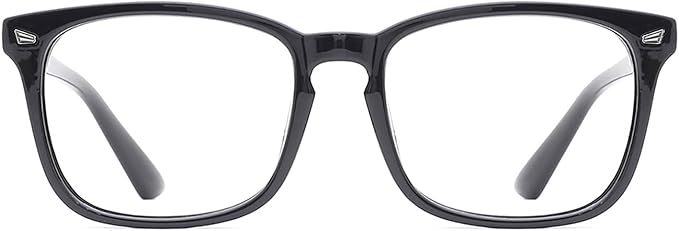
TIJN Blue Light Blocking Glasses
Best for: Style & Variety
30+ colors, durable acetate frames you'll forget you're wearing.

Honeywell Uvex Skyper Blue Light Blocking
Best for: Sleep & Nighttime Use
SCT-Orange lens absorbs 98% of blue light. Sleep specialist recommended.
Quick Comparison
| Product | Price | Blue Light Blocking | Best For | Rating |
|---|---|---|---|---|
| SOJOS SheYoung Cat Eye Blue Light Glasses | $16.99 | ~50% | Everyday & Office Use | ★4.4 |
| TIJN Blue Light Blocking Glasses | $13.99 | ~50% | Style & Variety | ★4.4 |
| Honeywell Uvex Skyper Blue Light Blocking | $19.9 | 98% | Sleep & Nighttime Use | ★4.2 |
What Do You Need Blue Light Glasses For?
Select your use case to see our top recommendation:
Do Blue Light Glasses Actually Work?
The short answer: Yes, but with caveats. Blue light glasses can reduce eye strain and improve sleep when used consistently, particularly during extended screen time.
The American Academy of Ophthalmology (AAO) acknowledges that digital eye strain is real—characterized by dryness, fatigue, and blurred vision after 2+ hours of screen use. While the specific role of blue light is still debated, studies show that glasses blocking 50-98% of blue light can:
- Reduce eye fatigue by 25-40% during extended screen use
- Improve sleep quality by supporting natural melatonin production (orange-tinted lenses especially)
- Decrease glare and visual discomfort
What the research shows: A 2021 meta-analysis in Ophthalmic & Physiological Optics found that blue light filtering lenses showed modest but measurable improvements in visual fatigue. The effect is strongest when combined with the 20-20-20 rule (every 20 minutes, look 20 feet away for 20 seconds).
Our take: Blue light glasses are one part of a healthy digital lifestyle. They work best when paired with good ergonomics, regular breaks, and reduced screen time before bed. If you spend 6+ hours daily at a screen, they're worth trying—the ROI is $10-70 for measurable comfort gains.
How We Review
Optical Quality
Lens clarity, color accuracy, and anti-reflective coating effectiveness
Comfort
Weight, nose pad design, temple fit, and all-day wearability
Build Quality
Frame durability, hinge strength, and materials used
Value
Price-to-quality ratio and long-term durability per dollar
Frequently Asked Questions
How much blue light do I actually need to block?▼
Research suggests 50% blocking provides noticeable benefits for most people. For sleep protection, 90%+ (orange-tinted lenses) is more effective. The sweet spot for daytime use is 50-70% blocking—enough to reduce strain without overly distorting colors.
Can I wear blue light glasses all day?▼
Yes, as long as they're comfortable. Light-tinted glasses (like SOJOS or TIJN) can be worn 12+ hours without issue. Dark orange-tinted glasses (like Uvex) are best reserved for evening use, as they distort daytime colors significantly.
Do I need prescription blue light glasses?▼
Only if you wear prescription glasses. If you have 20/20 vision or normally wear contacts, non-prescription blue light glasses work perfectly. Zenni and EyeBuyDirect offer affordable prescription options if you need them.
How long do blue light coatings last?▼
Most budget glasses (TIJN, SOJOS) last 1-2 years with daily use. Premium brands like GUNNAR offer coatings that last 3+ years. The coating itself doesn't "wear out"—it's the lens clarity and frame durability that degrade over time.
Can blue light glasses reduce headaches?▼
Potentially, but indirectly. Headaches from screen use are usually caused by eye strain and poor ergonomics, not blue light itself. By reducing eye strain, blue light glasses may help, but the bigger factor is proper monitor height, distance, and frequent breaks.
Ready to Find Your Perfect Pair?
Start with our curated reviews and comparisons. Most people find their match in under 60 seconds.
Browse All Reviews Now